




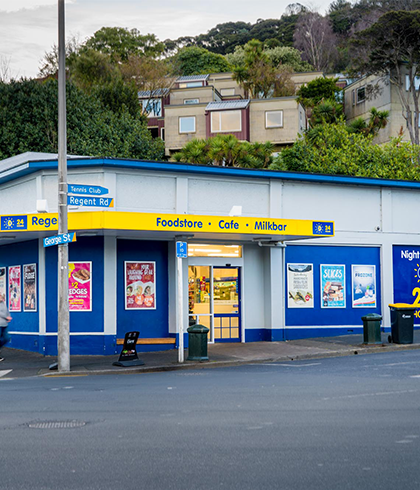
The Night 'n Day Story: From One Store to a Nationwide Brand
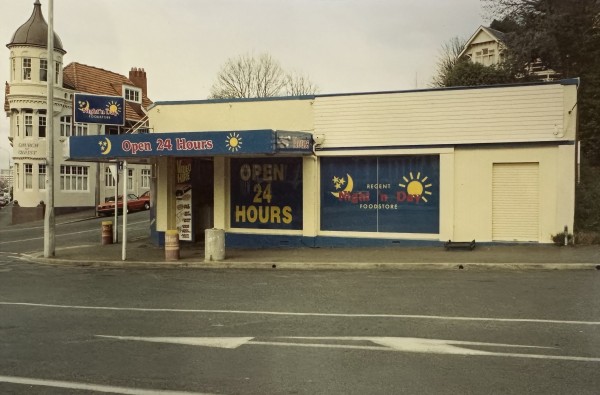
From a single store in Dunedin to a network of almost 60 locations nationwide, Night 'n Day has become one of New Zealand's most recognised convenience brands. Founded more than 35 years ago by Denise and Andrew Lane, the business has grown organically while staying true to its entrepreneurial roots. Their son, Matt Lane, has grown alongside the business, spending his school and university years working in stores before pursuing a career as a Chartered Accountant and gaining valuable experience with Deloitte. Returning to the family business a decade ago, Matt now plays a key role in supporting the continued growth of the Night 'n Day network. Throughout that journey, Night 'n Day has maintained a strong partnership with Goodman Fielder for more than 20 years, sourcing a broad range of products for stores across New Zealand.
Can you tell us a bit about Night 'n Day and how the business has evolved over the years?
Night ’n Day started in Dunedin around 35 years ago with a single store and has grown organically ever since. Today, the brand operates approximately 59 stores nationwide, from Invercargill through to Whangārei. It's been a busy year for the business, and we're continuing to see positive momentum and growth opportunities across the network.
What have been some of the key milestones in Night 'n Day's journey?
One of the major milestones was expanding into the North Island in 2010, which added 21 stores to the network. Another significant step came in 2017 with the addition of four Wellington stores. More recently, Night ’n Day expanded into NPD retail sites across the South Island, adding a further seven locations.
How has the convenience sector evolved over the years, and what makes it unique today?
Twenty-five years ago, convenience stores were largely focused on traditional "scan-and-go" products such as chocolate bars, beverages and tobacco. Over time, the sector has evolved significantly, with a much stronger focus on destination-based purchases such as food-to-go, coffee and freshly prepared in-store offerings.
What makes the convenience sector unique is its ability to combine both food service and retail in a single visit. Customers can pick up a coffee, a meal or snack, while also purchasing everyday essentials such as milk, groceries or household items. This hybrid model allows convenience stores to cater to a wide range of customer needs, creating a shopping experience that sits somewhere between a café and a supermarket.
What do today's convenience customers value most, and how have their expectations changed over time?
Today's convenience customers value speed, service, consistency and variety. Customers are often time-poor and want a quick, seamless experience, so efficient service is crucial. At the same time, friendly customer service and a consistent, high-quality offering play an important role in building loyalty.
Customer expectations have also increased considerably over time. With more choice available than ever before, customers are more selective about where they spend their money and expect a consistently high standard every time they visit. Businesses that consistently deliver on quality, service and value are more likely to earn repeat visits, while one or two poor experiences can quickly lead customers to look elsewhere.
How have customer behaviours and purchasing habits changed in recent years?
One of the biggest shifts has been the growing demand for convenience and flexibility. Consumers are increasingly time-poor and are looking for easier ways to access products and services, which has driven significant growth in delivery as a channel.
While cost-of-living pressures have influenced spending habits, customers still want to treat themselves, but they're looking for greater value from every purchase. Convenience stores have remained relatively resilient because they can provide affordable food-to-go options compared with many cafés and takeaway outlets. Customers are looking for the best return on their dollar, which means businesses need to consistently deliver quality, value and convenience to keep them coming back.
What key trends and challenges are shaping the convenience sector today?
One of the most influential trends is the rise of social media-driven products. Items that gain popularity on platforms such as TikTok can generate significant consumer demand, and being quick to respond to these trends can create a competitive advantage. The sector has also continued to strengthen its position in food-to-go, with convenience stores now viewed as genuine alternatives for coffee, snacks and meal solutions.
At the same time, operators are facing challenges such as constantly evolving legislation, including changes to tobacco, vaping and employment regulations. Supply chain and wholesale distribution challenges can also impact the availability of key grocery products. Despite these pressures, businesses that stay agile, continue to innovate and remain focused on execution are well positioned to succeed.
Have these challenges also created any unexpected opportunities?
Periods of volatility often create opportunities. Whether it's economic uncertainty, changing consumer behaviours or wider market disruption, businesses that remain agile can identify new avenues for growth.
For Night ’n Day, opportunities have emerged through partnerships with NPD, where landlords have been increasingly supportive of bringing convenience offerings into their sites. With the right locations and approach, challenging market conditions can become opportunities for expansion rather than contraction.
How important is food-to-go convenience today, and how has demand evolved?
Food-to-go has become one of the most important drivers of customer visits and a key point of differentiation for convenience retailers. Traditional convenience products are often similar across competitors, but a strong coffee and food-to-go offer gives customers a specific reason to choose one store over another. These purchases often lead to additional sales, with customers picking up other items while they're in store.
Demand for food-to-go has grown significantly as consumers have become increasingly time-poor and more willing to purchase meals, snacks and coffee on the go. To succeed in this category, operators need to fully commit, offering a quality range, strong execution and the right trading hours to meet customer demand.
Based on your experience, what advice would you give someone entering the convenience sector for the first time?
If you're going to enter the convenience sector, you need to fully commit to it. There are many moving parts, from extended operating hours and antisocial behaviour through to managing a broad product offering.
It's a challenging sector, and success requires a willingness to invest time, energy and focus. Taking a half-hearted approach is unlikely to deliver results.
What opportunities do you see for the convenience sector in New Zealand over the next few years?
Night ’n Day sees continued opportunities for growth, particularly in the North Island. While the brand has an established presence in the South Island, there is significant potential to further strengthen its footprint in the north.
Expansion always carries risk, so the focus will remain on identifying the right opportunities while continuing to build on the strong foundation already in place.